Plants and water remain active material conditions of the installation.
Vegetable electro-acoustic installation · 2010–2011
Plantas Parlantes
A vegetable electro-acoustic installation in which living plants, circulating water and touch-triggered sound connect human and vegetal worlds.
Read the project ↓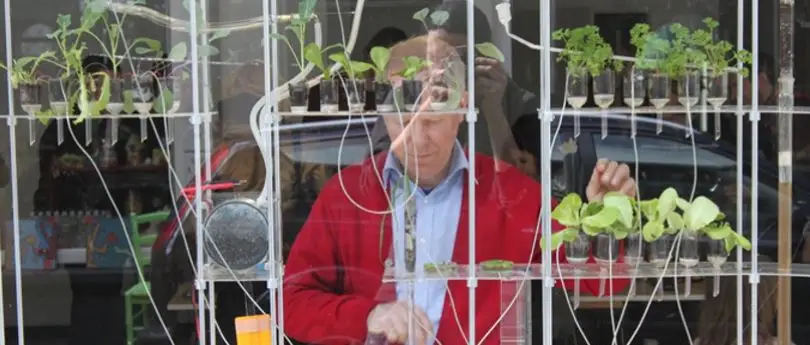
Project typeArtwork · Installation / environment · Research · Collaboration
ThemesEmbodied & haptic interaction · Materials & making · Speculative & critical design
FormInteractive electro-acoustic installation
Developed2010–2011
InteractionPlant touch / bioelectric activity
SystemLiving plants, water and sound circuits
01 · Proposition
Plants enter the circuit as living participants
Plantas Parlantes combines food plants, a closed water system and electronic sound to make contact between biological and technical processes audible.
The installation treats plants neither as decorative scenery nor as passive sensors. Their bioelectric activity and the visitor’s touch become part of an electro-acoustic system in which water, wires, bodies and vegetal life remain interdependent.
Sound offers a shared but ambiguous register for this encounter. Rather than claiming to reveal a plant’s hidden language, the work stages a relation across different forms of life and asks how technology can mediate attention without pretending to provide transparent access.
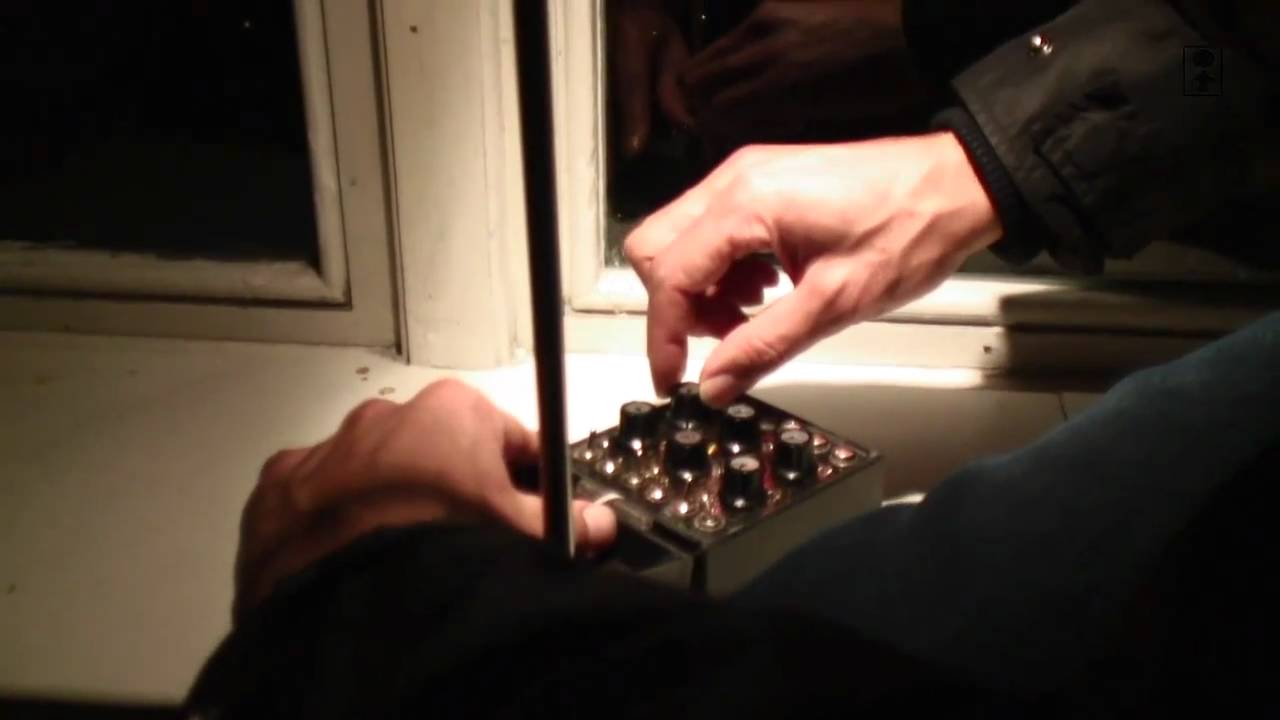
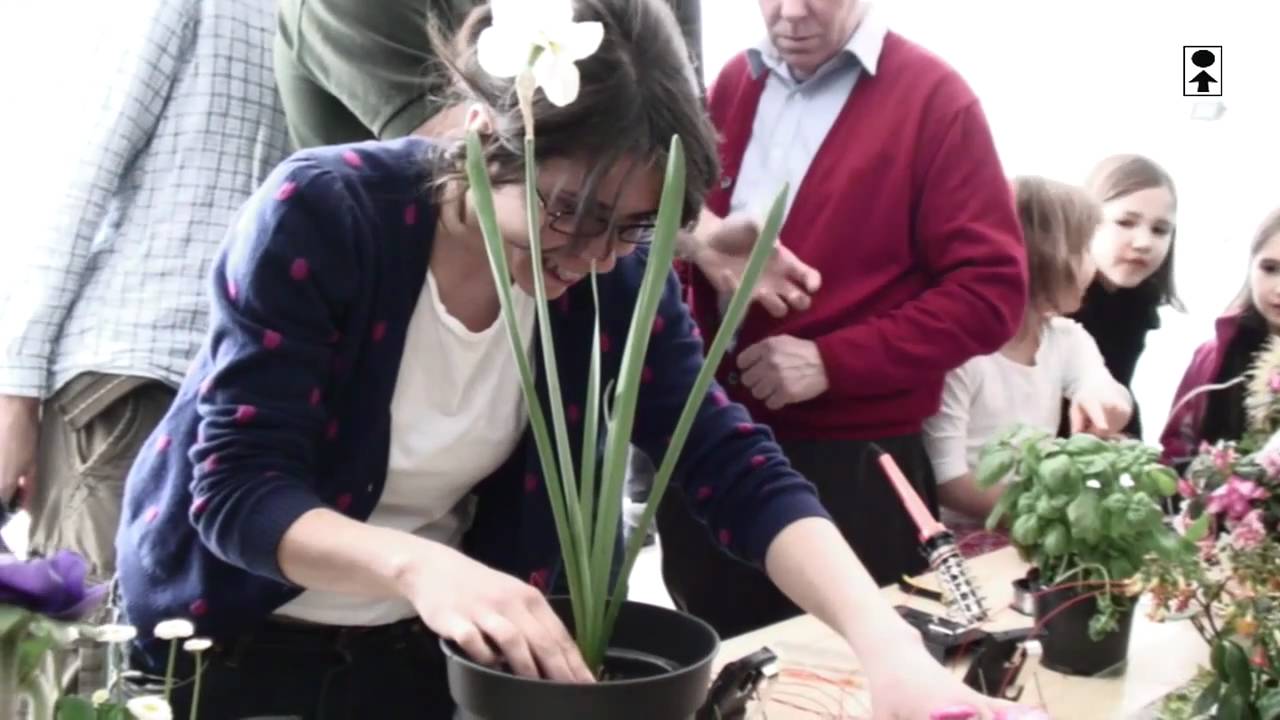
Video documentation
Bring a plant, build a circuit, listen
02 · Experience
Circulate, touch, listen
- 01
Sustain
A closed water circuit supports the living plants within the installation.
- 02
Connect
Plant activity, electronic components and visitor touch meet within one responsive system.
- 03
Sound
Electro-acoustic responses make the encounter perceptible without reducing it to explanation.
03 · Reflection
Mediation without mastery
The installation creates contact while preserving the difference between human interpretation and vegetal life.
Plantas Parlantes sits between bioart, interaction design and ecological speculation. Its value lies less in speaking on behalf of plants than in reorganising attention around a shared material system. Touch becomes a point of connection, while sound gives the relation duration and public presence.
Bioelectric and tactile events are articulated through sound.
Participation is framed as relation rather than human control.
Credits & archive
Project record
- Concept and development
- Ricardo O’Nascimento, Gilberto Esparza, Javier Busturia, Jingni Wang and Jelle Dekker
- Original context
- Stadsparasiet / RE-X, Noordkaap Project Space, Dordrecht, April 2010
- Video documentation
- Noordkaap Kunstruimte, in collaboration with The Patching Zone
- Techno-Ecologies presentation and workshop
- kim? Contemporary Art Centre and RIXC, Riga, November 2011